
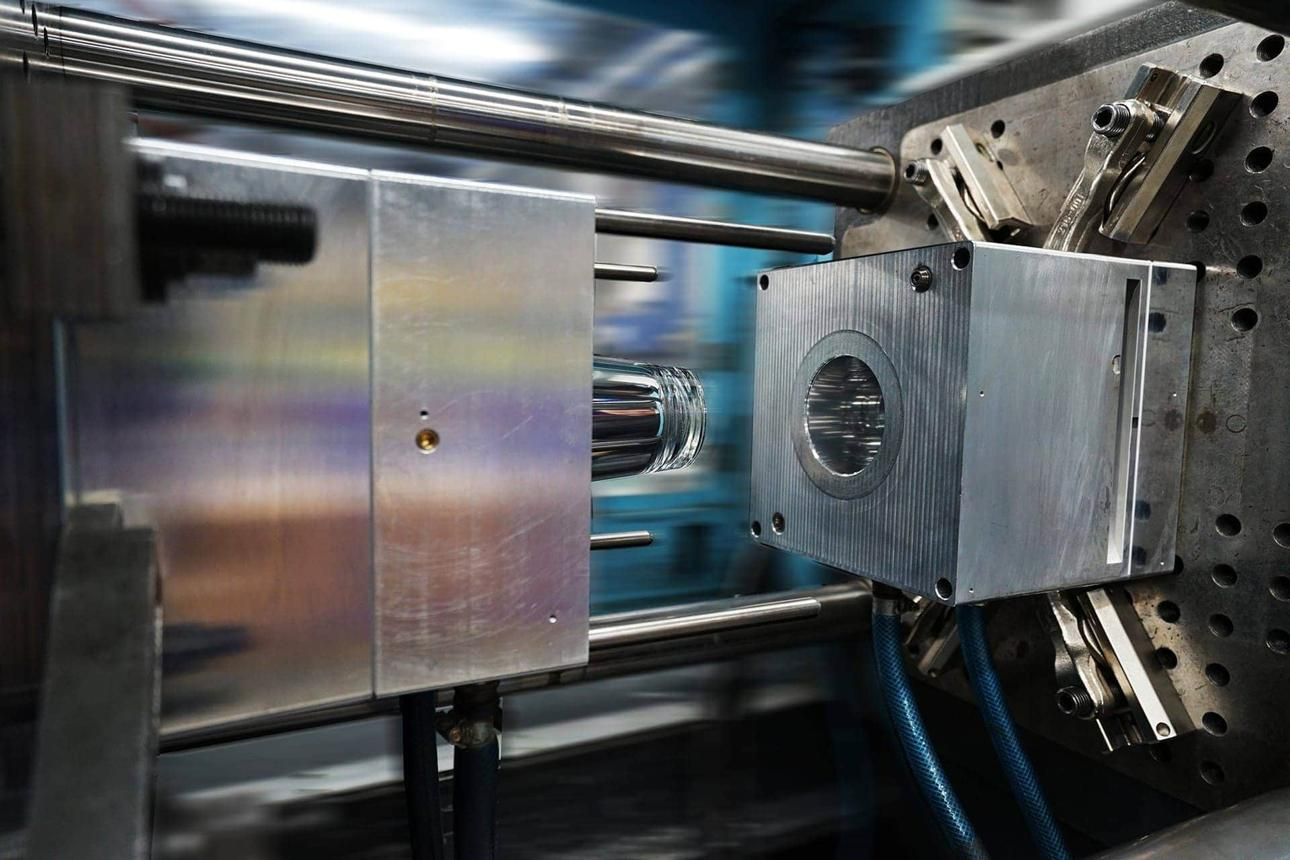
Prototype Injection Molding Services
Validate your part design with molded plastic prototypes made from production-relevant materials. Explore fit, function, appearance, and manufacturing feasibility before scaling up.
Certification + Compliance
- ***
- ***
- ***
- ***
- Cavities per Mold
- ***
- Tooling Lead Times
- ***
- Molding Materials
- ***
Overview
What is Prototype Injection Molding?
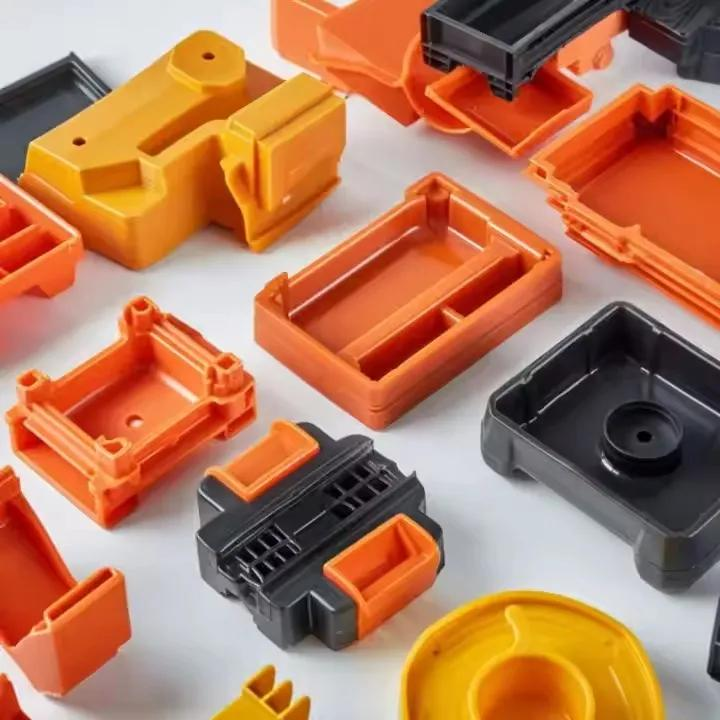
Prototype injection molding uses project-specific tooling to produce plastic parts for product development, design verification, and selected pilot builds. Unlike visual-only models, molded prototypes allow teams to evaluate parts made from the selected thermoplastic under more representative molding conditions.
It can help reveal issues related to fit, assembly, wall thickness, shrinkage, surface appearance, and material performance before production tooling and processes are finalized.
Tooling approach, material availability, lead time, and sample quantity depend on the part design and project requirements.
Prototype Injection Molding Capabilities
The right tooling approach depends on part complexity, material, required quantity, expected production life, and validation objectives. We review these factors to help identify a practical route for
General Design Guidelines
- Check interfaces, mounting features, and part fit.
- Test molded components under intended use conditions.
- Evaluate colors, textures, and surface finishes.
- Review part design and molding requirements before scaling up.
Fit & Assembly Testing
- Check interfaces, mounting features, and part fit.
- Test molded components under intended use conditions.
- Evaluate colors, textures, and surface finishes.
- Review part design and molding requirements before scaling up.
Functional Prototypes
- Check interfaces, mounting features, and part fit.
- Test molded components under intended use conditions.
- Evaluate colors, textures, and surface finishes.
- Review part design and molding requirements before scaling up.
Appearance Samples
- Check interfaces, mounting features, and part fit.
- Test molded components under intended use conditions.
- Evaluate colors, textures, and surface finishes.
- Review part design and molding requirements before scaling up.
***
- Check interfaces, mounting features, and part fit.
- Test molded components under intended use conditions.
- Evaluate colors, textures, and surface finishes.
- Review part design and molding requirements before scaling up.
***
- Check interfaces, mounting features, and part fit.
- Test molded components under intended use conditions.
- Evaluate colors, textures, and surface finishes.
- Review part design and molding requirements before scaling up.
 Materials
Prototype Injection Molding Materials
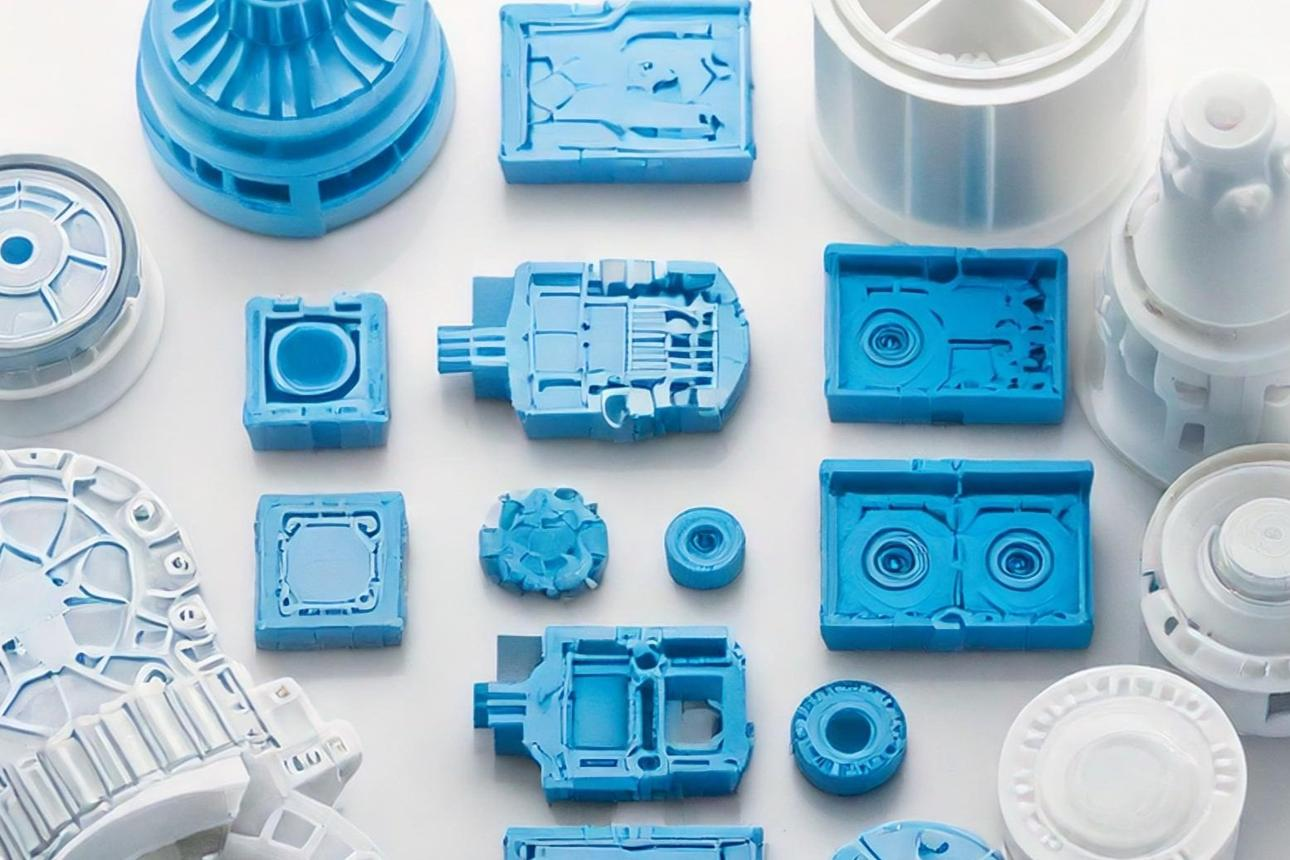
Material selection affects mechanical performance, molding behavior, appearance, and dimensional stability. BoValley can review the intended application and help identify suitable thermoplastics from the materials available for the project.
- ABS
- Polycarbonate (PC)
- PC/ABS
- Polypropylene (PP)
- Nylon (PA)
- POM (Acetal)
- ***
- ***
- ***
- ***
- ***
- ***
- ***
- ***
- ***
- ***
- ***
- ***
- ***
- ***
- ***
- ***
- ***
- ***
Surface Finish Options
Depending on material availability and tooling requirements, prototype molding can use materials relevant to your intended production application.
| Parameter | Project Considerations |
|---|---|
| Process | Prototype injection molding |
| Tooling Approach | Selected prototype or low-volume tooling, subject to project review |
| Material Options | ABS, PC, PC/ABS, PP, PA, POM and other suitable resins, subject to availability |
| Part Size | Depends on mold dimensions, machine capacity, and part geometry |
| Wall Thickness | Often around 1–4 mm for many parts, but depends on resin, geometry, and performance requirements |
| Dimensional Accuracy | Depends on material shrinkage, tooling design, part geometry, and process control |
| Surface Finish | Depends on mold surface, resin, texture, and secondary finishing |
| Typical Quantity | Sample builds and selected low-volume runs |
The Process
How Does Prototype Injection Molding Work?
1.Share Your CAD Files — Provide the 3D model and technical drawing. 2.Define Validation Goals — Specify material, quantity, color, texture, and functional requirements. 3.Review Tooling & Design — Evaluate the part design and suitable tooling approach. 4.Receive Your Quote — Confirm the proposed scope, cost, and lead time.
The advantages
- Real Molded Samples:• Evaluate actual molded thermoplastic parts rather than relying only on visual models.
- Fit and Assembly Checks:• Review mating features, clips, fasteners, and assembly interfaces.
- Material Evaluation:• Assess selected resin options for the intended product requirements.
The challenges
- Early Tooling Feedback:• Identify design or tooling considerations before scaling up production.
- Pilot-Build Support:• Produce selected quantities for internal evaluation, user trials, or pre-production review.
 Quality
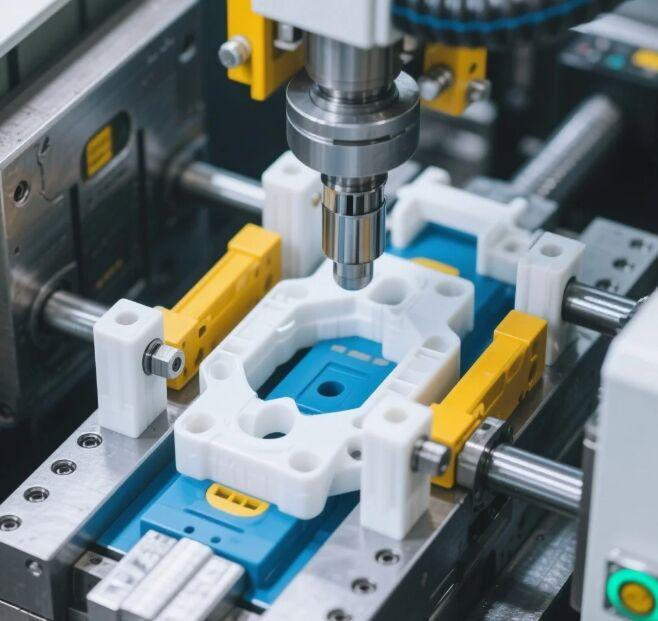
Applications for Prototype Injection Molding
Any part family that ships together — or any single part ordered in volume — is a candidate for these tooling strategies.
Consumer Electronics Housings
Evaluate molded housings and covers for fit, appearance, and assembly.
Automotive Interior Components
Test interior parts and clips for fit and functional requirements.
Industrial Equipment Enclosures
Validate enclosure designs, mounting features, and component integration.
Robotics & Functional Interfaces
Assess robotics housings and mechanical interfaces before production tooling.
Appliance Components
Evaluate plastic components and mounting features for assembly compatibility.
Product Development & Pilot Builds
Test molded samples for fit and function before production release.
| Types of Parts | Function |
|---|---|
| *** | *** |
| *** | *** |
| *** | *** |
Ready to Start Your Next Manufacturing Project?
Upload your CAD file today — get a detailed quote with DFM feedback within 24 hours.