

Waterjet Cutting Design Guide
It can be a useful option for selected thick sections, material-sensitive applications and complex flat profiles where thermal cutting effects need to be minimized.
Get the Guide With Your QuoteBoValley can evaluate waterjet cutting for custom parts that require profile cutting with minimal thermal influence on the material. Abrasive waterjet cutting uses a high-pressure water stream with abrasive media to cut suitable metals and other materials.

Overview
Abrasive waterjet cutting directs a high-pressure water jet mixed with abrasive particles through the material along a programmed path.
Because it does not rely on a conventional heat-based cutting process, it can help avoid a heat-affected zone associated with thermal cutting. This can be important for selected materials or parts sensitive to heat-related changes.
Cutting speed, edge taper, dimensional accuracy and surface quality depend on material thickness, abrasive settings, nozzle condition and geometry.
It can be a useful option for selected thick sections, material-sensitive applications and complex flat profiles where thermal cutting effects need to be minimized.
Get the Guide With Your QuoteOur basic guidelines for Waterjet Cutting include important design considerations to help improve part moldability, enhance cosmetic appearance, and reduce overall production time.
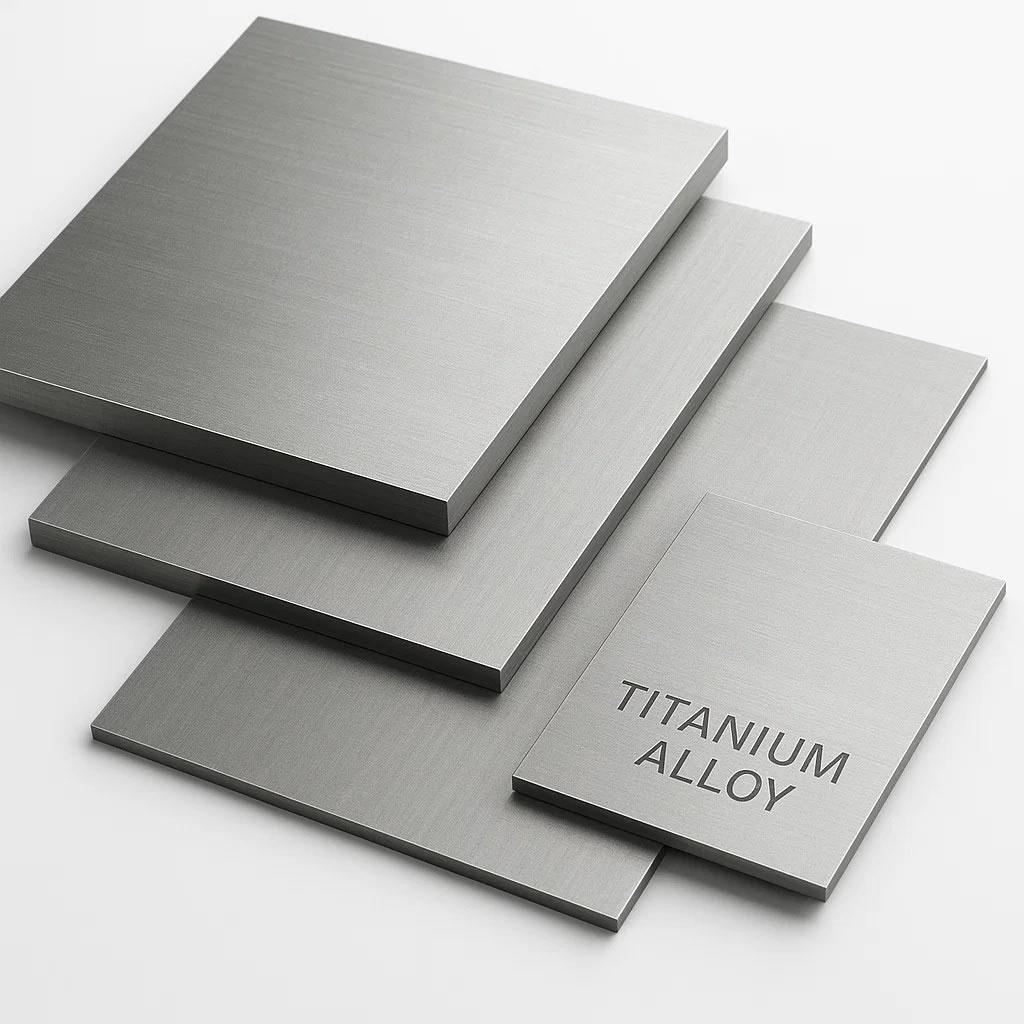 Materials
We support custom part projects from prototyping to production, subject to part requirements, manufacturing feasibility, and order volume.
Waterjet Cutting vs. Laser Cutting
| Comparison Item | Waterjet Cutting | Laser Cutting |
|---|---|---|
| Heat Effect | Minimal, non-thermal cutting process | Potential for heat-affected zone |
| Common Advantages | Suitable for specific thick plates and heat-sensitive materials | Suitable for high-efficiency flat sheet metal cutting |
| Material Range | Metals and some non-metallic materials, depending on equipment | Depends on laser type and material |
| Cost Factors | Cutting time, material, thickness, abrasive consumption | Material, thickness, cutting length, number of piercings |
| Best Choice | Determined by material and heat effect requirements | Determined by material, geometry, and efficiency requirements |
The Process
***
 Quality
Any part family that ships together — or any single part ordered in volume — is a candidate for these tooling strategies.
Custom profiles in suitable plate materials.
Applications where thermal effects need to be minimized.
Complex flat patterns and cutouts.
Subject to material composition and process suitability.
Suitable custom profiles where minimizing thermal influence is a priority.
***
| Types of Parts | Function |
|---|---|
| *** | *** |
| *** | *** |
| *** | *** |
Upload your CAD file today — get a detailed quote with DFM feedback within 24 hours.